please contact me at nic@thelistening-ear.co.uk or call 07352341428.
Talking Counselling
Talking Counselling
Talking Counselling

This means exploring your thoughts, feelings and behaviours in a way that feels comfortable for you. We can do this through talking, or by using other approaches if they feel helpful. Some of the methods I draw from include:
- Person‑centred: Focuses on what’s happening for you right now. It’s non‑judgemental, led by you, and offers empathy and genuine understanding.
- Psychodynamic: Helps you notice how past experiences and unconscious patterns might be shaping how you feel and behave today.
- Integrative: Brings together different approaches and creative tools, tailored to what works best for you.
- Humanistic: Encourages self‑discovery and personal growth, often using symbolic or creative methods.
Why it helps: These approaches can help you understand the patterns in your thoughts, feelings and behaviours, and where your emotions may be coming from.
Creative Strategies
Talking Counselling
Talking Counselling
This way of working may help you express and explore feelings without needing to put everything into words. They can make it easier to understand emotions that feel hard to explain.
Examples include:
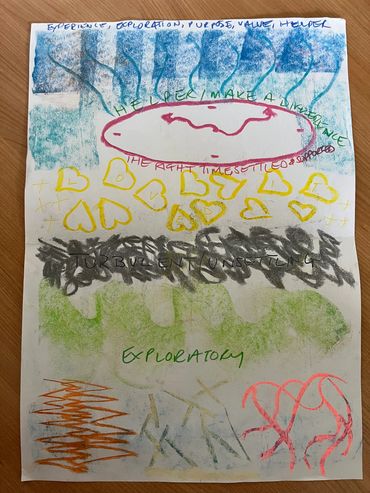
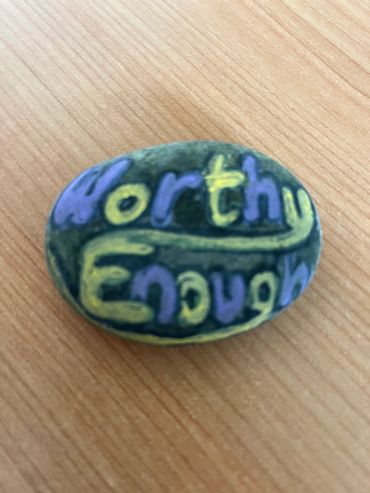
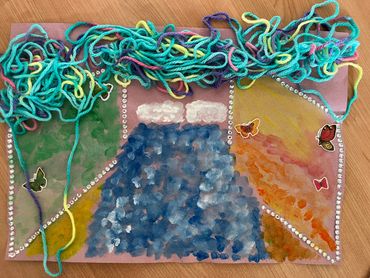
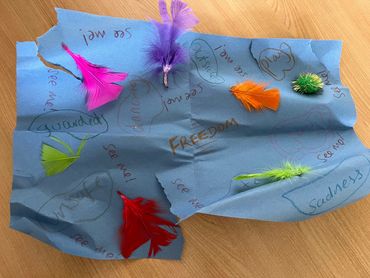
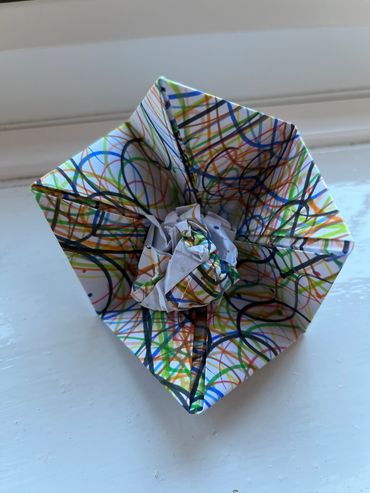
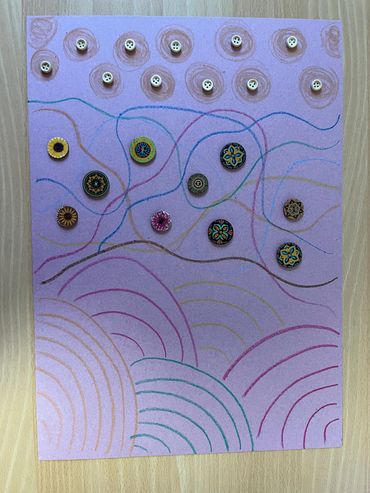
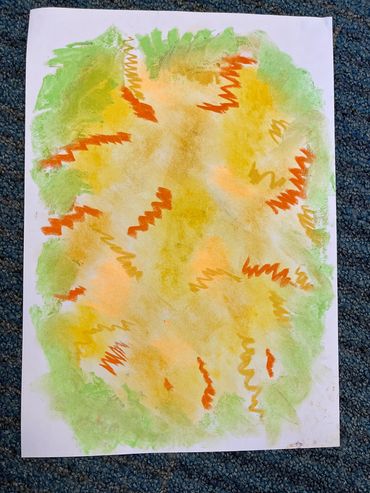
- Art: Using drawing, painting or clay to express how you feel.
- Music or sound: Exploring mood, memories or identity through music or sound.
- Drama or role‑play: Acting out situations to understand them better or practise new ways of coping.
- Storytelling or journaling: Writing or creating stories to make sense of your experiences.
Why it helps: These creative approaches can reach feelings that are difficult to talk about. They offer a safe way to express emotions and work well alongside traditional talking therapy.
Symbolic Strategies
Symbolic Strategies
Symbolic Strategies
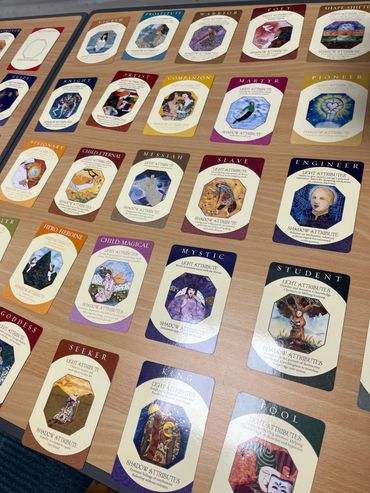
Symbolic strategies use metaphors, images and symbols to help you explore what’s going on inside. They’re a gentle, creative way to express feelings that can be hard to put into words.
Examples include:
- Sand tray therapy: Using small figures and objects in sand to create scenes that reflect your inner world.
- Metaphors: Describing your experience through symbolic language, like “It feels like I’m carrying a heavy backpack.”
- Dream work: Exploring dreams to uncover deeper thoughts and emotions.
Why it helps: These approaches make big or confusing feelings easier to understand. They turn abstract emotions into something more concrete and manageable, supporting traditional talking therapy.
Somatic Strategies
Symbolic Strategies
Symbolic Strategies
Somatic (body‑based) approaches focus on how the body and mind are connected, especially when healing from stress or trauma. These methods use gentle, creative ways of helping you tune into your body and feel more grounded.
Examples include:
- Breathwork and grounding: Simple breathing or grounding exercises to help calm your nervous system.
- Body scanning: Noticing physical sensations to understand how your emotions show up in your body.
- Sensory work: Using your senses to help you feel safe and present.
- Symbolic approaches: Using imagery or metaphors to deepen your awareness of the body‑mind connection.
Why it helps: Stress and trauma often show up physically. These body‑based approaches, alongside talking therapy, help you reconnect with your body, release stored tension and feel more settled.
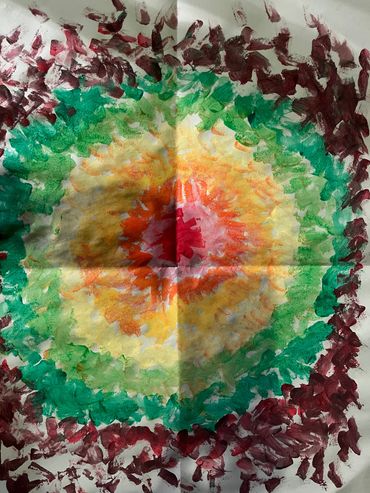
A gallery of creativity and exploration